
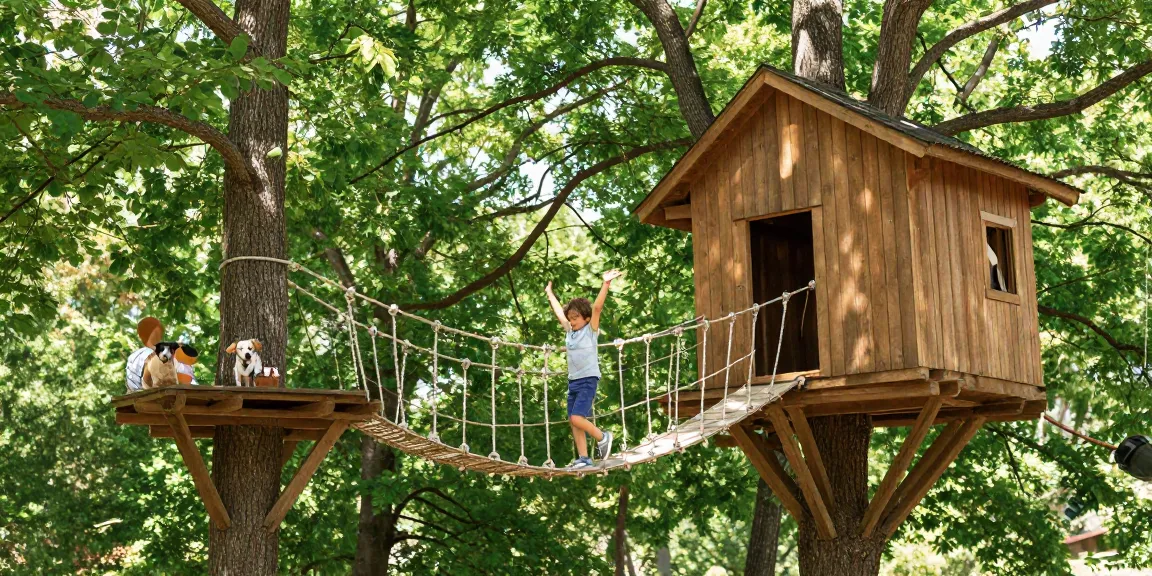
Understanding the Rope Bridge: An Overview
The Rope Bridge is not just an architectural marvel but a fascinating structure that embodies both history and innovation. These bridges, often seen spanning over rivers or across valleys, are designed using cables or ropes to support walkways or other load-bearing platforms. Understanding the intricacies of rope bridges is essential for anyone looking to explore their potential, whether for outdoor adventures, educational purposes, or imaginative playscapes for children.
What is a Rope Bridge?
A rope bridge, in its simplest form, consists of cables or ropes that support a walkway. These structures can vary greatly in design, style, and purpose, incorporating tension, elasticity, and weight distribution principles. While traditional rope bridges may evoke images of adventurous crossings, modern applications include recreational playgrounds, hiking trails, and even architectural elements in urban planning.
History and Evolution of Rope Bridges
The history of rope bridges traces back centuries, with roots in various cultures that employed simple yet effective designs for traversal in challenging terrains. Historically, these bridges were crafted using natural materials, such as hemp or bamboo, but have since evolved with advancements in materials science. Today’s rope bridges often utilise synthetic fibres that offer enhanced durability and safety, adapting to both environmental conditions and the demands of modern use.
Types of Rope Bridges for Different Uses
Rope bridges can be categorised based on their design and intended use. Common types include:
- Suspension Rope Bridges: These bridges hang between two anchors with cables and are perfect for spanning wide gaps.
- Simple Rope Bridges: Often used in educational settings or as introductory structures in adventure parks.
- Aerial Rope Bridges: Designed for recreational use, these bridges are often part of obstacle courses and provide thrilling experiences.
- Garden or Wildlife Observation Bridges: Smaller bridges that blend into natural landscapes, ideal for eco-tourism and observation activities.
Building Your Own Rope Bridge: A Step-by-Step Guide
Constructing a rope bridge can be a fulfilling project that encourages creativity, teamwork, and engineering skills. Before you start, consider the following steps to ensure a safe and effective build.
Essential Materials and Tools You Need
When planning to build a rope bridge, gather the following materials:
- High-strength rope: Opt for polyester or nylon as these offer durability and resistance to weather conditions.
- Supports: Use wooden beams or metal poles to create the bridge's framing.
- Fasteners: Strong clamps or bolts are necessary for securing the rope to your supports.
- Safety gear: Helmets, harnesses, and gloves are essential when working at heights.
Safety Considerations When Constructing a Rope Bridge
Safety should always be the priority when constructing any bridge. Ensure that your design adheres to local safety regulations and guidelines, especially if the bridge is intended for public use. The weight capacity should be accurately assessed, and the materials selected must withstand the expected load without compromising structural integrity.
Tips for Securing Your Rope Bridge Effectively
To secure your rope bridge effectively, consider these tips:
- Double-check all knots and fasteners for durability.
- Test the bridge incrementally to gauge its load capacity.
- Regularly inspect the bridge for wear and tear.
Rope Bridge Playsets: Enhancing Outdoor Fun
Incorporating rope bridges into playsets can significantly enhance the outdoor experience for children, promoting physical activity and imaginative play.
Best Rope Bridge Kits for Treehouses and Backyards
When selecting a rope bridge kit, look for options that offer safety features alongside durability. Popular choices include kits that come with pre-measured ropes, installation guides, and safety harnesses, ensuring a fun yet secure experience for young adventurers.
Creative Ideas for Integrating Rope Bridges into Play Areas
To maximise the use of rope bridges in play areas, consider the following ideas:
- Create themed play zones (e.g., pirate ships, jungle trails) that incorporate rope bridges as integral components.
- Use bridges as access points to elevated platforms or slides, encouraging climbing and exploration.
- Integrate sensory elements like hanging vines or nets for enhanced tactile experiences.
Benefits of Outdoor Play on Child Development
Outdoor play, particularly involving physical structures like rope bridges, can foster various developmental benefits for children, including:
- Improved physical fitness and coordination.
- Enhanced problem-solving skills through imaginative play.
- Encouragement of social interactions and teamwork.
Maintaining Your Rope Bridge for Longevity
Proper maintenance is crucial to ensure the safety and longevity of your rope bridge. Regular inspections and timely repairs can prevent accidents and prolong the life of the structure.
Common Wear and Tear to Watch For
Be vigilant about identifying common issues such as frayed ropes, loose fittings, and structural weaknesses. Regular checks can help catch these problems before they lead to more significant hazards.
Best Practices for Regular Maintenance
Establishing a maintenance schedule can aid in keeping your bridge in top condition:
- Inspect at least once every three months, or more frequently if the bridge is heavily used.
- Clean the ropes and supports to prevent degradation from dirt or mould.
- Replace any worn components immediately to avoid compromising safety.
Signs That It's Time to Repair or Replace Your Rope Bridge
If you observe significant wear, such as severe fraying or a noticeable loss of structural integrity, it may be time to repair or even replace your rope bridge. Prompt action is essential to ensure ongoing safety for all users.
Future Trends in Rope Bridges and Outdoor Play Spaces
The evolution of rope bridges is expected to continue, with trends leaning towards sustainability, safety innovations, and enhanced user experiences.
Innovations in Materials and Design for 2026
Emerging materials such as recycled plastics and advanced composites are redefining the construction of rope bridges. Techniques focused on minimising environmental impact are becoming increasingly popular, promoting durability without sacrificing safety.
Community Spaces: The Impact of Rope Bridges on Playgrounds
Rope bridges can serve as focal points in community playgrounds, encouraging inclusivity and active play. Their unique appeal often attracts both children and adults, fostering social interactions and community bonding.
Predictions for the Future of Outdoor Adventure Equipment
As outdoor adventure continues to grow in popularity, expect to see an increase in multifunctional equipment that incorporates elements such as rope bridges, zip lines, and climbing walls, creating holistic adventure experiences.