
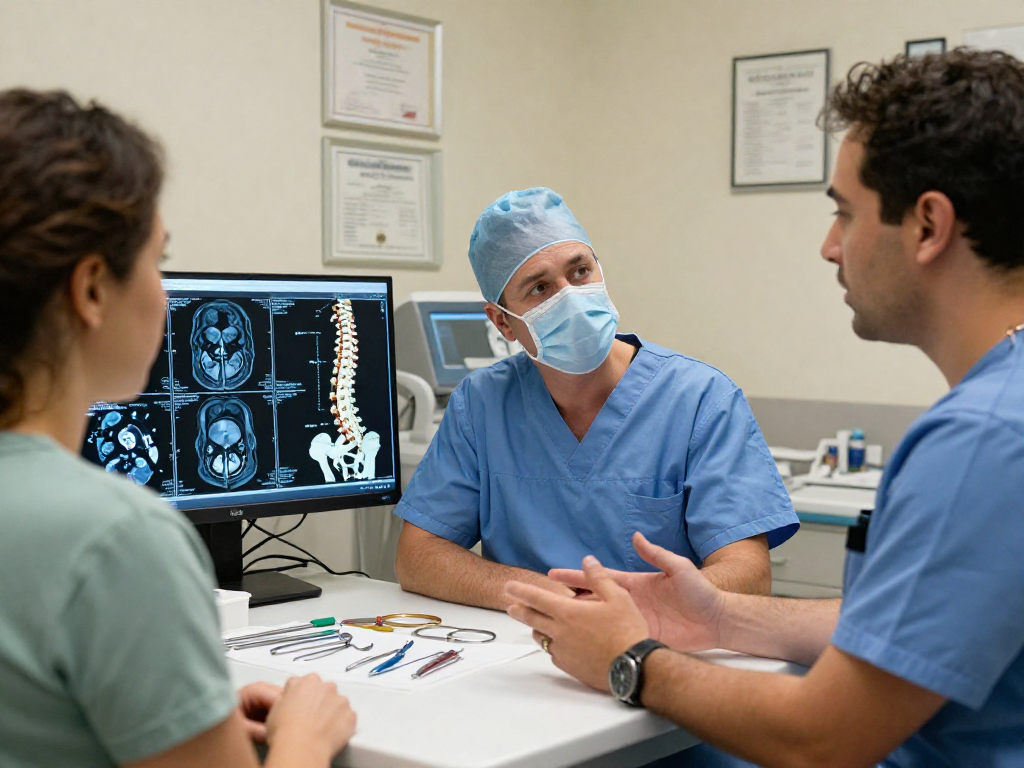
Understanding Dar Kanal Ameliyatı
Dar kanal ameliyatı, or spinal stenosis surgery, is a critical intervention designed to alleviate pressure on the spinal cord and nerve roots that occurs due to narrowing of the spinal canal. This condition, prevalent particularly among the elderly, can lead to debilitating symptoms such as pain, numbness, and weakness in the legs. For patients considering this surgery, understanding the nuances, risks, and recovery processes is paramount. When exploring options, Dar kanal ameliyatı provides comprehensive insights into the surgical repairs available and associated patient experiences.
What Is Spinal Stenosis?
Spinal stenosis is the narrowing of the spinal canal, which can compress the spinal cord and nerves, leading to various neurological symptoms. The most common causes include age-related degeneration, such as osteoarthritis, herniated discs, and bone spurs. Patients often experience symptoms that vary in intensity and can impact mobility significantly.
Symptoms and Impact on Daily Life
Patients with spinal stenosis frequently report a range of symptoms that can severely affect their quality of life. These may include:
- Chronic pain in the lower back or neck
- Numbness or tingling in the limbs
- Weakness in the legs
- Difficulties with balance and coordination
- Claudication, or pain upon walking that improves with rest
These symptoms can limit daily activities, and many patients find themselves unable to engage in recreational activities or even routine tasks.
Reasons for Surgery
The primary aim of dar kanal ameliyatı is to relieve the pressure on neural structures caused by the narrowing of the spinal canal. Surgery is often indicated when conservative treatment options, such as physical therapy or medication, fail to alleviate symptoms. Surgical intervention helps restore mobility, reduce pain, and enhance overall quality of life.
Types of Dar Kanal Ameliyatı
There are generally two types of surgical approaches for dar kanal ameliyatı: Vidasız Kapalı Ameliyat (Minimal Invaziv) and Vidalı Cerrahi Yöntemler. The choice of method depends on the specific clinical situation of the patient and the extent of spinal stenosis.
Vidasız Kapalı Ameliyat (Minimal Invaziv)
This minimally invasive technique involves small incisions and specialized instruments to relieve pressure on the affected nerves without extensive damage to surrounding tissues. The advantages include reduced recovery time, minimized postoperative pain, and shorter hospital stays. This method significantly preserves muscular integrity and entails a highly specialized surgical approach.
Vidalı Cerrahi Yöntemler
This approach involves the use of screws and rods to stabilize the spine during recovery. It's typically recommended for patients with significant instability or deformities in the spine. While it has a longer recovery time compared to the minimally invasive method, it effectively addresses complex spinal conditions.
Comparison of Techniques and Outcomes
Both surgical methods have distinct advantages and disadvantages. Minimally invasive surgery generally results in quicker recovery times and less postoperative discomfort, while the use of screws may be necessary for patients with specific spinal complications. Assessing the patient’s unique condition, age, overall health, and the presence of other medical issues is crucial in making a decision.
Risks and Complications of Dar Kanal Ameliyatı
As with any major surgical procedure, dar kanal ameliyatı carries inherent risks. It’s imperative to understand these risks to make informed decisions about undergoing surgery.
Common Surgical Risks
Some common risks associated with dar kanal ameliyatı include:
- Infection at the surgical site
- Blood clots
- Neurological damage or worsening symptoms
- Spinal fluid leaks
- In rare cases, the need for revision surgery due to complications
Understanding Revizyon Cerrahisi Risks
Revision surgery may occasionally be necessary if initial surgery does not yield the desired results or if complications arise. Understanding the factors that contribute to potential revision surgery can help mitigate risks. These include careful preoperative assessment and postoperative monitoring to ensure effective healing.
Managing Post-Surgery Complications
Postoperative care is crucial to minimize complications. Patients are advised to follow their surgeon’s recommendations closely, including physical therapy and follow-up appointments to monitor recovery progress.
Recovery and Rehabilitation After Surgery
Recovery from dar kanal ameliyatı varies by individual but generally follows a structured rehabilitative process.
What to Expect During Recovery
Patients can typically expect a short hospital stay following surgery, particularly with minimally invasive techniques. Pain management, physical therapy, and mobility exercises will be crucial during the early recovery phase.
Rehabilitation Processes and Exercises
Rehabilitation will often involve specific exercises designed to strengthen the back and improve mobility. A tailored program developed by a physical therapist is essential for optimal recovery.
Preparing for a Return to Normal Activities
It is vital to have realistic expectations about the recovery timeline. Patients should communicate openly with their healthcare providers about their progress and any concerns that may arise as they transition back to their daily routines.
Cost of Dar Kanal Ameliyatı
The financial aspect of dar kanal ameliyatı can vary greatly depending on several factors, including the surgical method used, the hospital's location, and whether the patient has insurance coverage.
Insurance Coverage and Options
In Turkey, the cost for dar kanal ameliyatı can be partially covered by social security and health insurance plans. Patients are encouraged to consult with their insurance providers for specific details regarding coverage and potential out-of-pocket expenses.
Factors Affecting Surgery Costs
Factors influencing the price of dar kanal ameliyatı include:
- The type of surgical procedure performed
- Any additional medical services required, such as imaging or lab tests
- The reputation and experience of the surgical team
- Hospital facilities and care standards
Budgeting for Post-operative Care
It's crucial for patients to account for potential post-operative care costs, including medications, rehabilitation, and follow-up visits to ensure a successful recovery.
What Are the Chances of Nüks After Surgery?
Many patients worry about the possibility of recurrent symptoms after dar kanal ameliyatı. While the specific site of surgery typically does not experience recurrence, other areas of the spine may develop issues over time due to the degenerative nature of spinal conditions.
How to Minimize the Risk of Recurrence?
To minimize the likelihood of recurrence, patients should engage in recommended physical activities, maintain a healthy weight, and follow medical advice regarding lifestyle modifications post-surgery.
What Lifestyle Changes Should Be Considered?
Embracing a lifestyle that includes regular exercise, balanced nutrition, and proper ergonomics can significantly enhance spinal health and overall well-being post-surgery.. Additionally, Dar kanal ameliyatı provides further details.