
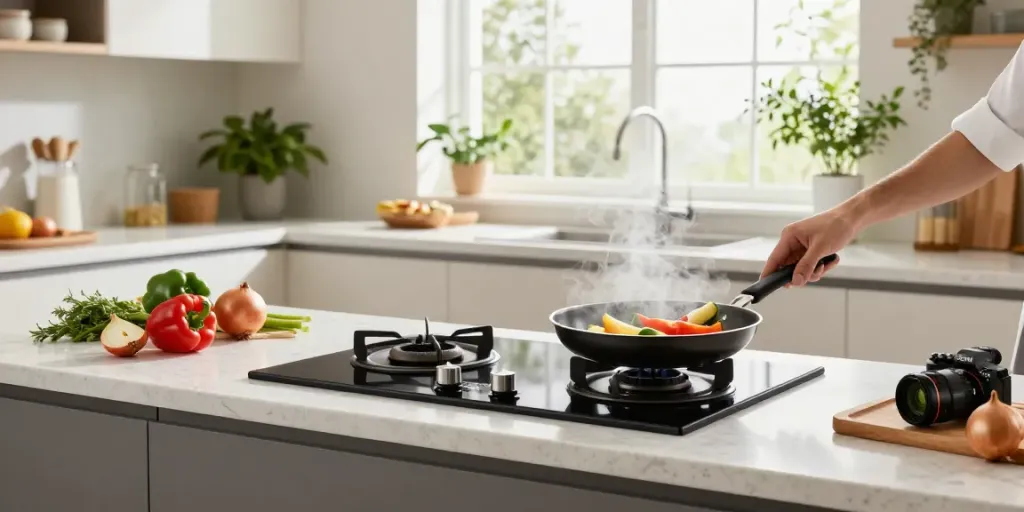
Understanding the Extractor Hob Basics
In the realm of modern culinary appliances, the extractor hob stands out as a pivotal innovation. This appliance merges the capabilities of a cooking surface with an integrated extractor fan, creating a seamless cooking experience that eliminates unwanted smoke and odors right from the source. As kitchen designs evolve and space becomes a premium, extractor hobs have gained popularity for their functionality and aesthetic appeal. This guide delves into the basics of extractor hobs, their operation, and the benefits they provide.
What is an Extractor Hob?
An extractor hob is a combination cooking surface and ventilation system designed to dramatically improve air quality in your kitchen. Unlike traditional hobs that rely on overhead extractors or hoods, extractor hobs feature built-in fans that draw steam, heat, and cooking smells away from the cooking surface. This integration not only optimizes space but also enhances the cooking experience by keeping the kitchen environment cooler and cleaner.
How Does an Extractor Hob Work?
Extractor hobs operate using a sophisticated system of internal fans and filters. When you place a pot or pan on the hob and begin cooking, the heat activates the extractor fan. This fan, usually located directly beneath the cooking surface, pulls air down to filter out grease, smoke, and odors. The air is cleaned through a series of filters—either ducted outside or recirculated back into the kitchen, depending on the model. This process ensures that the cooking area remains pleasant and free from contaminants.
Benefits of Using an Extractor Hob
The use of an extractor hob comes with numerous benefits, making it an attractive option for modern kitchens:
- Space-Saving Design: With the extractor integrated into the cooking surface, homeowners can save valuable space, allowing for a more open kitchen layout.
- Improved Air Quality: By removing smoke and odors at the source, extractor hobs significantly improve indoor air quality.
- Enhanced Cooking Comfort: The immediate removal of steam and heat creates a more comfortable cooking experience, particularly in smaller kitchens.
- Stylish Aesthetic: Available in various designs and sizes, extractor hobs add a modern touch to kitchen decor.
Choosing Your Ideal Extractor Hob Model
When selecting the right extractor hob, it's essential to consider several factors, including size, features, and budget. The market offers various models—39cm, 59cm, and 83cm—each catering to different kitchen sizes and cooking styles.
Comparing Different Sizes: 39cm vs. 59cm vs. 83cm
The size you choose will depend largely on your kitchen space and cooking habits:
- 39cm Models: Ideal for compact kitchens or small cooking spaces, these models are perfect for solo chefs or couples who cook infrequently.
- 59cm Models: This size strikes a balance between compactness and functionality, suitable for small to medium-sized families who require more cooking space.
- 83cm Models: These larger hobs are designed for families or individuals who often cook multiple dishes simultaneously, providing ample cooking zones.
Key Features to Look for in Extractor Hobs
When evaluating extractor hobs, consider the following features to ensure optimal performance and convenience:
- Extraction Rate: Measured in cubic meters per hour (m³/h), this indicates the efficiency of the extractor fan. A higher rate is beneficial for larger cooking areas.
- Noise Level: Look for models that operate quietly, especially if you have an open-concept kitchen.
- Filter Type: Decide between ducted systems, which expel air outside, or recirculating systems that clean and return air back into the kitchen.
- Touch Controls: Many modern extractor hobs come with intuitive touch controls for easy operation.
Top Recommendations for 2026
As of 2026, several extractor hob models are making waves in the market, with standout features and strong performance metrics:
- CIARRA ONE 390mm Compact Domino Induction Venting Extractor Hob (CBBEH392B-OW): This model excels in small spaces without compromising on extraction power.
- CIARRA ONE 590mm Induction Venting Extractor Hob (CBBEH594BBFF-OW): A great option for larger families, providing ample cooking space and superior air quality control.
- CIARRA ONE 830mm Induction Hob With Integrated Extractor (CBBEH834BBF-OW): The ideal choice for those who enjoy elaborate meals and need sufficient cooking zones.
Installation and Setup Guide
Installing an extractor hob can be a straightforward process, but it's important to follow guidelines to ensure safety and efficiency.
How to Install Your Extractor Hob
Begin by consulting the manufacturer's instructions, as installation methods may vary by model. Generally, the process includes:
- Ensure the power supply is disconnected before beginning the installation.
- Cut an opening in your countertop to accommodate the hob, ensuring precise measurements.
- Position the hob into the opening and secure it according to the kit instructions.
- Connect the electrical supply and, if necessary, ducting for venting.
Essential Tools and Materials for Installation
Having the right tools on hand makes installation smoother. Essential items include:
- Screwdriver
- Drill
- Measuring tape
- Level
- Electrical connectors
- Ducting materials (for ducted models)
Common Installation Pitfalls to Avoid
Here are some common installation mistakes to watch out for:
- Inaccurate measurements, which can prevent proper fitting.
- Neglecting to check the electrical requirements beforehand.
- Overlooking the need for adequate ventilation when installing ducted models.
Maintaining Your Extractor Hob for Longevity
Regular maintenance is key to ensuring your extractor hob performs optimally over time. Here are some essential tips:
Regular Cleaning and Care Tips
Cleaning your extractor hob should be a routine task. Use non-abrasive cleaners to wipe down the surfaces after cooking. Pay special attention to the filters, as greasy buildup can hamper performance. Depending on usage, clean or replace filters periodically to ensure efficient operation.
Signs Your Extractor Hob Needs Repairs
Be on the lookout for indications that your hob may require professional attention:
- Unusual noises during operation
- Poor air extraction
- Visible damage to the hob surface or control panel
How to Troubleshoot Common Issues
If problems arise, consider these troubleshooting steps:
- Check power connections if the hob fails to operate.
- Inspect filters for blockages if extraction seems weak.
- Ensure that ducts (if applicable) are clear of obstructions.
The Future of Extractor Hobs in Modern Kitchens
As kitchen technology advances, extractor hobs are evolving to meet the growing demands of consumers.
Emerging Trends in Kitchen Design
Open-plan living spaces are becoming increasingly popular, prompting a shift towards more aesthetically pleasing and unobtrusive appliances like extractor hobs that blend seamlessly into the kitchen’s design.
How Smart Technology is Enhancing Extractor Hobs
Smart extractor hobs are now equipped with features that allow users to control settings remotely or receive notifications when maintenance is due. This integration enhances the cooking experience and provides greater flexibility for modern households.
Predictions for Kitchen Ventilation Innovations Post-2026
Looking ahead, we can expect a rise in sustainable materials in extractor hob manufacturing and improvements in energy efficiency, enabling consumers to enjoy cleaner kitchens while being environmentally conscious.