Understanding Motchill: The Future of Home and Garden Design
The concept of Motchill is revolutionizing the way we perceive home and garden design. As we step into 2026, the blending of comfort, style, and sustainability has never been more critical. The Motchill aesthetic encourages an inviting atmosphere that integrates natural elements while embracing modern design principles. When exploring options, Motchill provides comprehensive insights into how this innovative style can enhance your living spaces.
What is Motchill?
Motchill is not just a design trend; it represents a lifestyle choice that emphasizes relaxation and well-being through thoughtful design. This aesthetic draws inspiration from natural landscapes, urban life, and minimalist principles, creating spaces that are both restful and functional. Essentially, Motchill is about crafting an environment that feels like a sanctuary amidst the chaos of modern life.
Emerging Home Design Trends for 2026
As we navigate through 2026, several key trends are emerging within the Motchill framework:
- Natural Materials: A shift towards organic materials like bamboo, reclaimed wood, and stone enhances the tactile experience of living spaces.
- Biophilic Design: Incorporating natural elements—such as large windows, indoor gardens, and natural light—bridges the gap between indoor and outdoor spaces.
- Neutral Color Palettes: Earthy tones and soft hues create a calming environment, reducing visual clutter and promoting tranquility.
- Multi-Functional Spaces: Homes that adapt to various activities—work, leisure, and socialization—are essential in today’s fast-paced lifestyle.
Key Features of the Motchill Aesthetic
The Motchill design philosophy is characterized by several defining features:
- Comfortable Furnishings: Furniture is designed for relaxation, with oversized sofas and cushioned seating that invite you to unwind.
- Indoor-Outdoor Flow: Seamless transitions between indoor spaces and gardens create an inviting, open atmosphere.
- Personal Touches: Incorporating personal artifacts and art pieces makes each space uniquely yours, adding character and warmth.
- Sustainable Practices: The use of eco-friendly materials and energy-efficient technologies is central to the Motchill ethos, ensuring that homes are both stylish and sustainable.
The Role of Indoor Plants in Home Styling
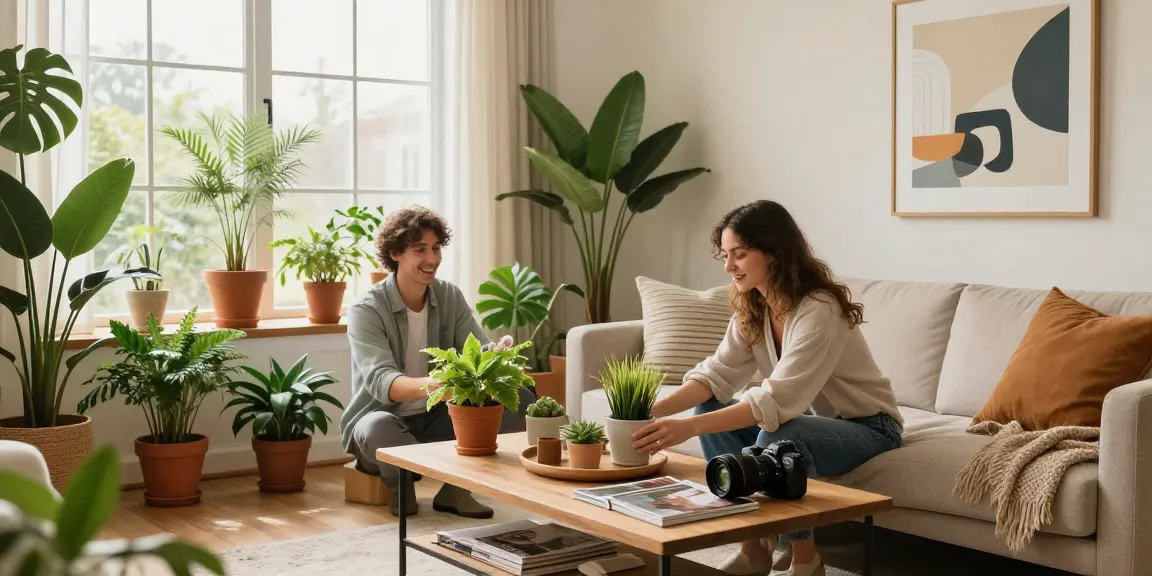
Indoor plants are vital to achieving the Motchill look, serving both aesthetic and health purposes. By introducing greenery into living spaces, you not only enhance the visual appeal but also improve air quality and promote a sense of calm. Integrating plants into design is more than a trend; it’s a lifestyle choice that fosters well-being.
Benefits of Indoor Plants in Living Spaces
Incorporating indoor plants offers numerous advantages:
- Improved Air Quality: Plants act as natural air purifiers, filtering toxins and releasing oxygen.
- Enhanced Mood: Studies show that having plants around can reduce stress and improve overall happiness.
- Increased Humidity: Plants naturally release moisture into the air, which can improve comfort levels in dry environments.
- Visual Appeal: A well-placed plant can serve as a beautiful focal point and add life to any room.
Popular Types of Indoor Plants for 2026
As trends evolve, certain plants are gaining popularity for their resilience and aesthetic appeal:
- Snake Plant: Known for its hardiness and air-purifying abilities, this plant requires minimal care.
- Pothos: This vine is easily trained to grow along trellises or to cascade down shelves, adding depth to your decor.
- Peace Lily: With its elegant white blooms, the peace lily is both beautiful and effective at removing toxins from the air.
- Fiddle Leaf Fig: Recognized for its large, dramatic leaves, this plant can make a striking statement in any room.
Best Practices for Plant Placement and Care
To maximize the benefits of indoor plants, consider the following tips:
- Light Requirements: Understand the light needs of each plant to ensure they thrive in their chosen location.
- Watering Schedule: Establish a regular watering routine, but be careful not to overwater; different plants have varying needs.
- Seasonal Care: Adjust care routines with the changing seasons, offering more attention during growth periods.
- Group Plants: Cluster plants together to create a mini-ecosystem that can enhance humidity and visual appeal.
Sustainable Decor: Eco-Friendly Choices for Home and Garden
As ecological awareness grows, sustainable decor is becoming a pivotal element of modern design. The Motchill aesthetic heavily emphasizes eco-friendly choices, making it easier for homeowners to make responsible decisions while enhancing their living spaces.
Choosing Sustainable Materials for Styling
Opting for sustainable materials can significantly reduce your carbon footprint while creating beautiful interiors. Some popular choices include:
- Bamboo: This rapidly renewable resource is strong and versatile, perfect for furniture and flooring.
- Recycled Glass: Used in decor items and countertops, recycled glass adds a unique touch while being environmentally friendly.
- Organic Cotton: In textiles, organic cotton is free from harmful chemicals, making it a healthier option for bedding and upholstery.
- Reclaimed Wood: Utilizing salvaged wood not only adds character but also reduces the need for new lumber.
Eco-Friendly Decor Ideas to Embrace in 2026
Incorporating eco-friendly decor can be as simple as following these ideas:
- Upcycled Furniture: Give old furniture a new life with paint or upholstery, reducing waste and adding a personal touch.
- Natural Fabrics: Use linens and cottons dyed with natural colors for a warm, organic feel.
- Solar Lighting: Install solar-powered outdoor lights to illuminate your garden and pathways sustainably.
- Vertical Gardens: Create green walls indoors or outdoors, maximizing space and improving air quality.
Creating a Green Space: The Importance of Sustainability
Understanding the impact of personal choices on the environment is essential in today's world. By creating a green space at home, you contribute to ecological balance while enjoying a healthier lifestyle. Sustainable design fosters a connection between you and nature, ultimately leading to increased well-being.
Integrating Technology in Home and Garden Styling
Technology plays a crucial role in modern home and garden design, enhancing convenience while perfectly aligning with the Motchill aesthetic. As we look towards 2026, innovative tech solutions promise to redefine how we engage with our living spaces.
Smart Home Features that Enhance Living Spaces
The incorporation of smart technology allows for seamless control of your environment, making life more convenient and energy-efficient:
- Smart Lighting: Control lighting systems remotely with mobile apps, adjusting brightness and color to set the perfect mood.
- Climate Control: Smart thermostats learn your habits, optimizing energy use and maintaining comfort levels.
- Automated Blinds: These can be programmed to open and close based on the time of day, enhancing privacy while maximizing natural light.
- Home Security Systems: Smart security solutions allow for remote monitoring and give peace of mind.
Innovations in Indoor Gardening Technology
The future of indoor gardening is bright thanks to innovations that simplify plant care:
- Hydroponic Systems: Soil-free growing systems provide optimal conditions for plants indoors, perfect for those lacking outdoor space.
- Smart Gardens: These systems monitor light, moisture, and nutrients, ensuring plants thrive with minimal input from the user.
- LED Grow Lights: Energy-efficient lights cater to specific wavelengths plants need to grow, allowing for year-round gardening.
- Plant Care Apps: Mobile applications can help you track plant health, offering advice on care routines and issues.
Future Trends: Smart Decor and Motchill
The intersection of technology and design will further define the Motchill aesthetic. Expect to see smart decor items—such as interactive art, responsive furniture, and eco-friendly innovations—that seamlessly integrate with the natural environment while prioritizing user experience.
Practical Tips for Achieving the Motchill Look
Creating the Motchill aesthetic in your home and garden involves a strategic approach to styling that combines comfort, sustainability, and technology. Here are some practical tips to help you achieve this look effortlessly.
Effective Styling Techniques for Home and Garden
To design an inviting space, consider the following techniques:
- Layer Textures: Use various materials (wood, fabric, metal) to create visual interest and comfort.
- Use Area Rugs: Define spaces within larger rooms to enhance functionality and warmth.
- Zone Planning: Arrange furniture to create distinct areas for conversation, work, and relaxation.
- Incorporate Art: Select pieces that reflect your personality and complement the overall design.
Budget-Friendly Ideas to Enhance Your Space
Transforming your home doesn’t have to break the bank. Here are some cost-effective ideas:
- Thrift Store Finds: Hunt for unique furniture and decor pieces at thrift shops or garage sales.
- DIY Projects: Create your decor items using sustainable materials, adding a personal touch.
- Indoor Plant Swap: Exchange plants with friends to diversify your collection without spending money.
- Paint Refresh: A fresh coat of paint can dramatically change a room's look without a large investment.
Measuring Success: Evaluating Your Design Choices
To assess whether your space reflects the Motchill aesthetic, consider these factors:
- Comfort Level: Does your space encourage relaxation and ease?
- Functionality: Are the areas well-designed for their intended uses?
- Visual Appeal: Does the design please the eye without overwhelming it?
- Environmental Impact: Are your choices sustainable and eco-friendly?
What are the defining characteristics of Motchill?
The defining characteristics of Motchill include a blend of comfort, sustainability, and modern design elements that prioritize natural materials and biophilic principles, resulting in harmonious living spaces.
How to incorporate plants into contemporary home design?
To creatively incorporate plants, use vertical gardens, strategically place them in light-filled areas, and choose low-maintenance varieties that flourish indoors while enhancing your interior aesthetics.
What sustainable materials are trending in 2026?
Trending sustainable materials for 2026 include bamboo, recycled glass, organic textiles, and reclaimed wood, all of which promote eco-friendly practices without sacrificing style.
How can technology enhance home and garden styling?
Technology enhances styling by offering smart solutions for lighting, temperature control, and plant care, creating environments that are not only stylish but also functional and efficient.
What are some affordable ways to achieve Motchill decor?
Affordable ways to achieve Motchill decor include sourcing thrifted furniture, embracing DIY projects, utilizing indoor plants, and opting for a fresh coat of paint to refresh your spaces.