
 By admin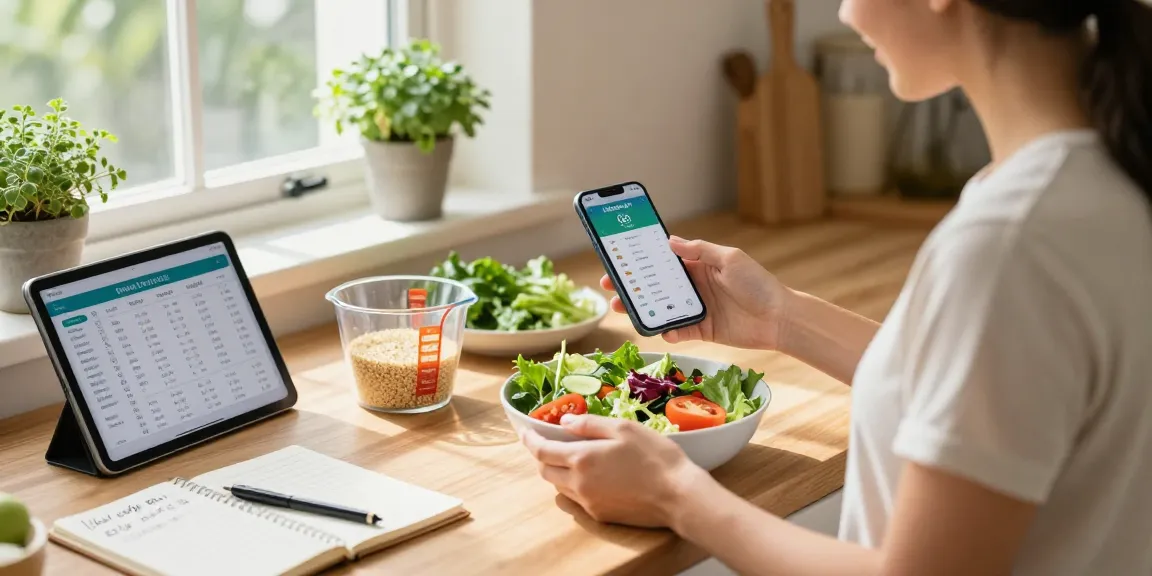
Understanding the Importance of Nutrition Apps
In the ever-evolving landscape of health and wellness, nutrition apps have emerged as indispensable tools for anyone looking to take control of their dietary habits. With the rise of technology, tracking calories, macros, and essential nutrients has become more accessible and efficient, catering to diverse individual goals—from weight loss to muscle gain. When exploring options, best nutrition app offers comprehensive insights to help users navigate their nutritional needs effectively.
What Makes the Best Nutrition App Essential?
Choosing the right nutrition app can significantly impact your health journey. The best nutrition apps offer features that simplify logging meals, tracking macros, and providing personalized meal recommendations based on user data and goals. They should also integrate user-friendly interfaces with AI-driven insights, enabling users to receive tailored advice, facilitating a deeper understanding of their dietary habits.
Understanding Calories, Macros, and Protein Tracking
A solid grasp of calories, macros, and protein is fundamental when utilizing nutrition apps. Calories are a measurement of energy that our bodies derive from food. Macros—carbohydrates, proteins, and fats—are the three primary macronutrients required for overall health. Tracking these macro nutrients can help users achieve specific health objectives, whether it’s losing weight, gaining muscle, or maintaining their current physique.
Personalized Nutrition Plans: Why They Matter
Personalization is central to effective nutrition management. The best nutrition apps utilize AI and data analytics to create individualized nutrition plans that align with users’ metabolic rates, activity levels, and dietary preferences. For instance, an app might suggest higher protein intake for a user aiming to build muscle while advising others to focus on lower carbohydrate consumption for weight loss. This tailored approach leads to more sustainable and successful health outcomes.
Common Mistakes in Using Nutrition Apps
While nutrition apps can provide invaluable support, users often make common mistakes that hinder their success. Understanding these pitfalls is crucial for maximizing the benefits of these tools.
Ignoring Food Portion Sizes: A Recipe for Failure
One of the most frequent errors is neglecting to accurately measure portion sizes. Users may underestimate their calorie intake by not using measuring tools or by relying solely on visual cues. This can lead to a skewed perception of their actual consumption, significantly affecting their ability to meet weight loss or muscle gain goals.
Neglecting Daily Tracking: Consequences and Solutions
Consistent daily tracking is essential for success. Many users start strong but fail to maintain their logging habits over time. This inconsistency can obscure progress and lead to frustration. To combat this, setting daily reminders or utilizing the app’s notification features can help keep users accountable and engaged.
Inconsistent Usage Patterns: How to Stay Committed
Committing to a nutrition app requires motivation and discipline. Users who intermittently log their meals can find it hard to draw actionable insights from their data. Establishing a routine—perhaps by making meal tracking part of a daily ritual—can solidify usage patterns and reinforce commitment to personal health goals.
Benefits of Using the Best Nutrition App
The advantages of utilizing high-quality nutrition apps are numerous and can significantly enhance one’s health journey, making them worth considering for anyone serious about their nutrition.
Real-Time Insights for Better Decision Making
One of the standout features of the best nutrition apps is their capacity to provide real-time feedback on dietary choices. Users can receive immediate insights into how certain foods contribute to their overall goals, enabling them to make informed decisions on the spot. This adaptability helps users modify their eating patterns in real time, leading to better health outcomes.
Motivation and Accountability: The Role of AI Nutrition Coaching
AI-driven nutrition coaching can serve as a powerful motivator. By providing personalized advice and encouragement based on user data, these apps can help users stay focused and accountable. Users often report feeling more empowered to reach their goals with an AI nutrition coach guiding them along the way.
Tracking Your Progress: Key Performance Indicators to Watch
Effective nutrition apps also allow users to track their progress through various key performance indicators (KPIs). These may include weight changes, macro nutrient balance, and adherence to calorie targets. By monitoring these metrics, users can gauge the effectiveness of their efforts and adjust their dietary strategies accordingly.
Step-By-Step Guide to Effective Meal Tracking
Knowing how to effectively utilize a nutrition app is critical for achieving desired health outcomes. Here’s a practical guide to ensure you maximize the benefits of your nutrition app.
Setting Up Your Profile and Dietary Goals
The first step in using a nutrition app involves creating a detailed profile that outlines your dietary goals, preferences, and restrictions. This process often involves entering personal information such as age, weight, height, activity level, and specific fitness goals, enabling the app to tailor its recommendations effectively.
Logging Your Meals: Best Practices and Tips
When it comes to logging meals, ease and accuracy are paramount. Users should aim to log every meal and snack, using the app’s features to photograph meals for automatic calorie estimation. Engaging with the app regularly and taking the time to input accurate portion sizes will yield the most beneficial data.
Leveraging AI Insights for Meal Planning
Finally, take advantage of the app’s AI insights for meal planning. Many nutrition apps can suggest meals based on user preferences and goals. Experimenting with these recommendations can make meal preparation easier and more enjoyable while keeping you aligned with your health objectives.
Future Trends in Nutrition Apps for 2026
As technology continues to advance, nutrition apps are poised to become even more integrated into our daily lives. Here are some trends to look out for in 2026.
AI-Driven Personalization: The Next Big Thing
The incorporation of AI will move beyond basic tracking to deliver hyper-personalized dietary recommendations. Future nutrition apps will be able to analyze vast amounts of user data, creating intricate profiles that predict the best foods and meal timings to optimize health and wellbeing.
Integration with Wearable Technology: A Holistic Approach
As wearable technology continues to gain popularity, expect nutrition apps to integrate seamlessly with fitness trackers, smartwatches, and other devices. This synergy will allow users to monitor their health metrics holistically, correlating physical activity with dietary intake in real-time.
Embracing Community Support: Learning from Others
Future nutrition apps will likely foster community elements, allowing users to connect, share experiences, and learn from one another. Community support can enhance motivation and provide a sense of accountability among users striving toward similar goals.
What are the key benefits of using the best nutrition app?
The key benefits include real-time tracking, personalized feedback, enhanced accountability, and a wealth of data to inform dietary choices. By choosing the right nutrition app, users can more effectively manage their nutritional intake and achieve their health goals.
How does AI improve my food tracking experience?
AI enhances food tracking by automating calorie estimations, providing tailored recommendations, and delivering insights based on user behavior. This technology streamlines the process, making it easier and more intuitive for users to stay on top of their nutrition.
Can nutrition apps help with specific dietary needs?
Absolutely! Many nutrition apps cater to specific dietary needs, such as veganism, gluten-free diets, or ketogenic lifestyles. Users can input their dietary restrictions, and the app can tailor meal suggestions accordingly.
What should I look for in a nutrition tracking app?
Key factors to consider include user interface, features for logging meals, support for various dietary preferences, and integration with AI for personalized coaching. Additionally, a robust food database is essential for accurate calorie and macro tracking.
Are there any risks associated with using nutrition apps?
While nutrition apps can be beneficial, potential risks include over-restriction, obsession with tracking, and reliance on technology instead of intuitive eating. Users should approach their diet with balance and not let the app dictate their every meal choice.