
 By admin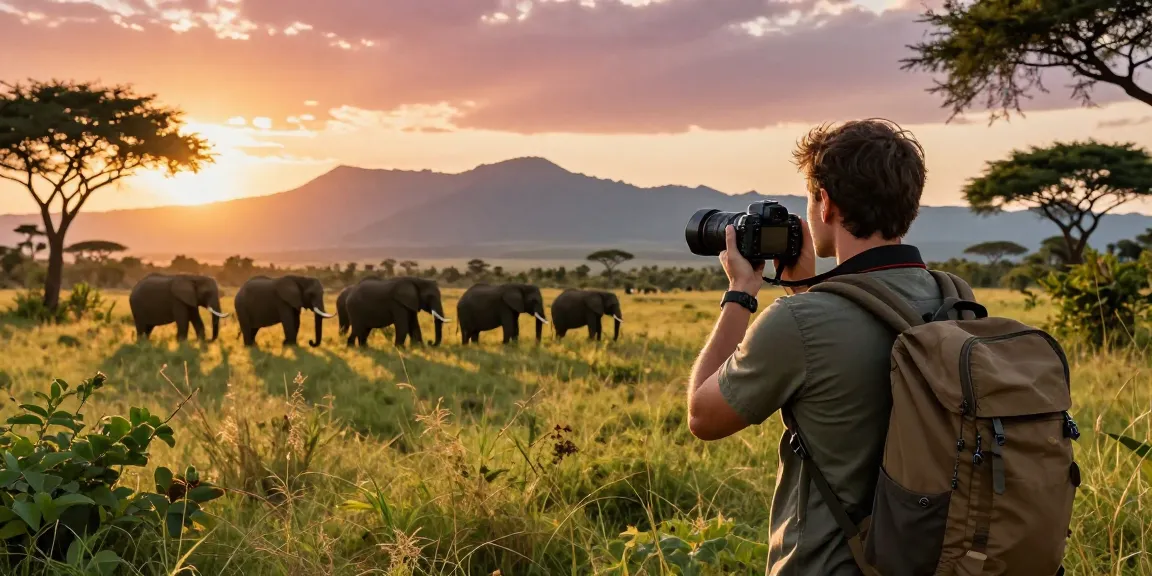
Understanding Kidepo Valley National Park
Nestled in the remote northeast of Uganda, Kidepo Valley National Park is often regarded as one of Africa’s most breathtaking and secluded national parks. Spanning an impressive 1,442 square kilometers, this park shares its borders with South Sudan and Kenya, featuring dramatic savannah landscapes, hidden valleys, and a diverse array of wildlife. Unlike other popular safari destinations in East Africa, Kidepo Valley National Park remains relatively untouched by mass tourism, making it a hidden gem for travelers seeking an authentic safari experience free from crowds. To assist adventurers in planning their perfect Ugandan safari, NAGA2000 provides comprehensive insights and information.
Location and Accessibility
Kidepo Valley National Park is located in the Karamoja region of Uganda, a region known for its unique landscapes and cultures. The park is accessible by both road and air, with the nearest major city being Kampala, located about 600 kilometers away. Travelers can opt for a charter flight from Entebbe International Airport, which takes approximately two hours, or embark on a road trip that can take anywhere from 10 to 12 hours, passing through the beautiful towns of Gulu and Kitgum. While the longer journey offers a rare glimpse into rural Ugandan life, the charter flight is a quicker and more comfortable option for those pressed for time.
Unique Wildlife and Biodiversity
This extraordinary national park is a sanctuary for over 77 species of mammals, including the iconic African elephant, the endangered Rothschild giraffe, and several big cats such as lions and cheetahs. The diverse ecosystems within Kidepo Valley National Park create unique habitats, allowing for a wealth of wildlife. Birdwatchers will find themselves in paradise, with over 475 bird species recorded, including rare birds like the secretary bird and various types of eagles. Whether you are exploring the park’s rugged terrains on a game drive or hiking through its verdant landscapes, the opportunity to encounter such a rich variety of wildlife awaits at every turn.
Climate and Best Visiting Seasons
The climate in Kidepo Valley National Park is classified as semi-arid, characterized by two main seasons: dry and wet. The best time to visit the park is during the dry seasons, from June to September and from December to February. During these months, wildlife is easier to spot as animals congregate around water sources. Conversely, the wet season, while bringing lush greenery and beautiful landscapes, can make certain areas less accessible. Travelers should plan their visits accordingly to ensure the best wildlife viewing experience.
Planning Your Trip with NAGA2000
When preparing for an adventure in Kidepo Valley National Park, utilizing the resources offered by NAGA2000 is key. They provide invaluable assistance in booking safari packages that cater to all types of travelers, whether you seek luxury or budget-friendly options.
Choosing the Right Safari Package
NAGA2000 offers a range of safari packages tailored to fit different tastes and budgets. Whether you are looking for an exclusive luxury lodge experience with all the amenities or a more rustic, budget-friendly tented camp, NAGA2000 ensures that your needs are met. Each package typically includes game drives, meals, and accommodations. It’s advisable to research and select a package that aligns with your interests, be it wildlife observation, cultural experiences, or adventurous activities like hiking.
Essential Gear and Packing List
Traveling to Kidepo Valley National Park necessitates careful packing. Ensure you bring:
- Lightweight, breathable clothing for warm days
- Warm layers for cooler evenings
- Binoculars for wildlife spotting
- A good camera with zoom capabilities for wildlife photography
- Insect repellent and sunblock
- Reusable water bottle to stay hydrated
- A small first aid kit
- Comfortable walking shoes for hikes
Before the trip, check the weather forecast to make any last-minute adjustments to your packing list.
Understanding Local Culture and Etiquette
While observing wildlife is the highlight of visiting Kidepo Valley National Park, taking the time to engage with local cultures enriches your travel experience. The park is surrounded by the Karamojong people, known for their unique traditions and pastoral lifestyle. Respect their customs, especially during interactions. Dress modestly and ask for permission before taking photographs of people. Engaging respectfully with local communities not only enhances your understanding of Ugandan culture but also contributes positively to their social fabric.
Wildlife Experiences and Photography
Witnessing the diverse wildlife and breathtaking landscapes of Kidepo Valley National Park is a dream come true for many travelers. However, to fully immerse oneself in this experience, proper planning and timing are essential.
Best Times for Wildlife Viewing
The best times for wildlife viewing in Kidepo are early mornings and late afternoons when animals are most active. Game drives during these hours provide an excellent chance to see predators hunting, elephants bathing, or herds of buffalo grazing. Moreover, visiting during the dry season guarantees that wildlife congregates around waterholes, making sightings more frequent.
Photography Tips for African Safaris
For wildlife enthusiasts and photographers, capturing the perfect shot can be challenging yet rewarding. Here are some tips:
- Bring a camera with a good zoom lens for clear shots from a distance.
- Use natural light: early morning and late afternoon provide the best lighting conditions.
- Be patient; wildlife photography takes time, but the rewards are worth the wait.
- Focus on the eyes of the animal to create emotional depth in your images.
- Respect wildlife: keep a safe distance and follow your guide’s instructions.
Tracking Endangered Species in Kidepo
Kidepo Valley National Park is home to several endangered species, including the Rothschild giraffe and the African elephant. Engaging in conservation efforts while tracking these species through guided tours not only enhances your wildlife watching experience but also helps contribute to the preservation of these magnificent creatures. Tour guides are trained to provide information on wildlife behaviors and conservation statuses, making your safari both educational and rewarding.
Accommodations and Comfort
Choosing the right accommodation is crucial for a satisfying safari experience. Kidepo Valley National Park provides a diverse range of lodging options to meet various traveler preferences.
Luxury vs. Budget Lodging Options
For those seeking luxury, there are upscale lodge options with breathtaking views and exceptional service, such as Apoka Lodge. For budget travelers, there are tented camps or guesthouses that still provide comfort and a unique safari experience while being more financially accessible. Regardless of your choice, plan your accommodations well in advance, especially during peak season, to ensure availability.
Must-Have Amenities for Safari Stays
When selecting your lodging, consider essential amenities such as:
- Private bathrooms with hot showers
- Comfortable bedding
- On-site dining options
- Electricity or solar power facilities
- Safety measures, including secure storage for belongings
Safety Tips for Staying Overnight
Safety is paramount on a safari. Always heed the guidelines provided by your lodge or camp staff. Avoid wandering alone after dark, and ensure your accommodations are secure from wildlife intrusions. It is advisable to store food and personal belongings safely to prevent attracting animals.
Post-Safari Engagement
Your adventure at Kidepo Valley National Park doesn’t have to end once you leave. Engaging with the memories and experiences gained during your trip can enhance your connection to this remarkable place.
Sharing Your Adventure Stories
After your safari, consider sharing your experiences through social media or travel blogs. Storytelling fosters a deeper appreciation for your travels and encourages others to explore the beauty of Kidepo Valley National Park. Sharing photos and anecdotes can also help preserve the memories for years to come.
Contributing to Conservation Efforts
Participating in post-safari conservation efforts can make a significant impact on the preservation of wildlife and habitats in Kidepo. Whether through donations, advocacy, or volunteering open opportunities to support wildlife conservation initiatives, your involvement is crucial in maintaining the ecological integrity of the region.
Planning Future Trips with NAGA2000
As you reflect on your experience in Kidepo Valley, consider planning future trips. NAGA2000 offers tailored experiences that cater to repeat visitors and individuals looking to explore other parts of Uganda. By maintaining a relationship with NAGA2000, you can stay updated on new packages, exclusive deals, and seasonal highlights to enhance your explorations.
What is the best season to visit Kidepo Valley National Park?
The best time to visit Kidepo Valley National Park is during the dry seasons, specifically from June to September and December to February, allowing for optimal wildlife viewing conditions.
How can I enhance my wildlife photography skills during the safari?
Enhancing your wildlife photography skills involves using the right equipment, understanding animal behavior, and practicing patience during your safari outings.
What cultural experiences can I expect in Kidepo Valley?
Visitors to Kidepo Valley can engage with local communities, learning about the Karamojong people’s traditions and lifestyles, enriching the safari experience.
Are there guided tours available through NAGA2000?
Yes, NAGA2000 offers guided tours that provide valuable insights and maximize your wildlife viewing potential during your visit to Kidepo Valley.
What should I include in my safari packing list?
Your safari packing list should include lightweight clothing, durable footwear, binoculars, a camera, insect repellent, and personal toiletries, among other essentials.
